Skip to main content
अन्वेषण Explore
 8
 3
![Sharad Purnima]()
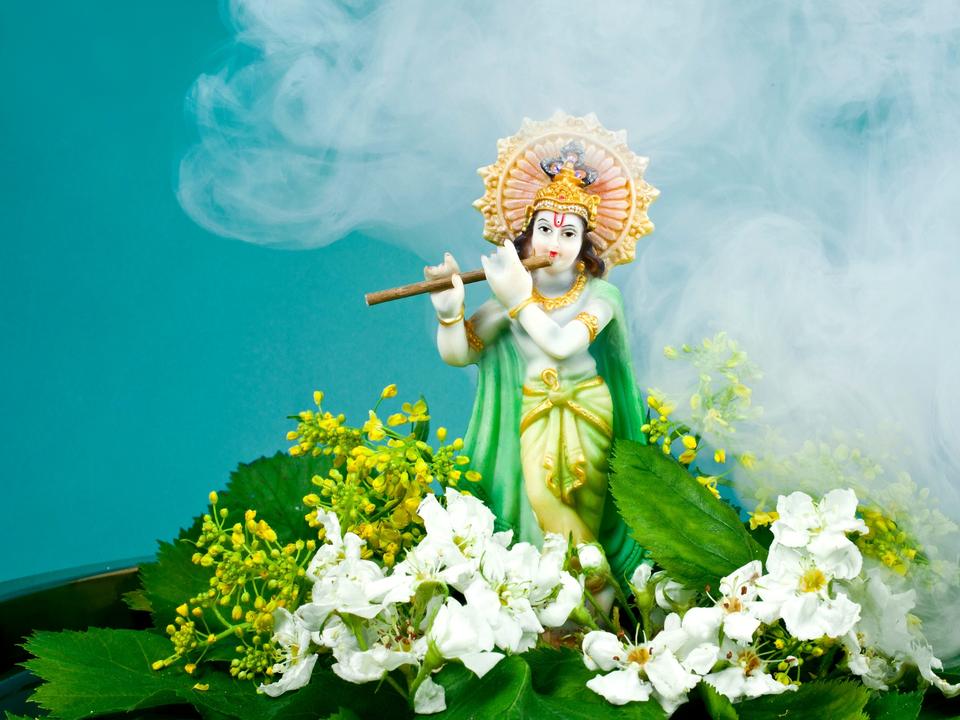
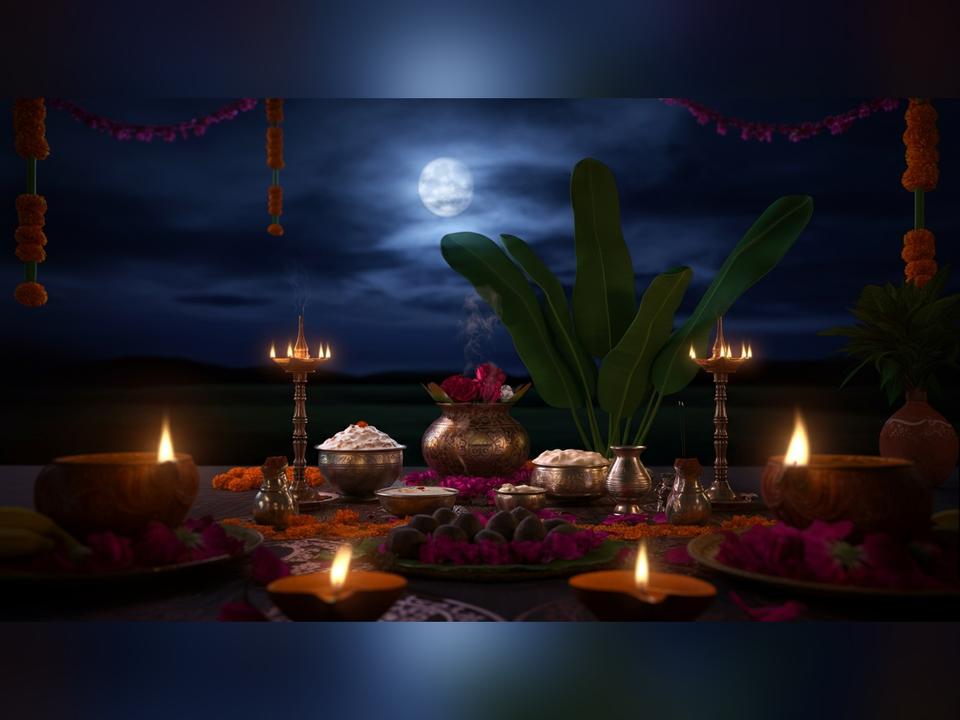
Deity: Goddess Lakshmi and Lord Krishna Tithi: Purnima (Full Moon) of the Ashwin month (September–October) Duration: 1-night celebration, observed on the brightest full moon night of the year Story / Legend: Sharad Purnima is associated with the Raasa Leela of Lord Krishna, when he danced with the gopis of Vrindavan under the moonlight, representing divine love and spiritual union. In another legend, Goddess Lakshmi descends to bless devotees who stay awake and worship her. It is also believed that on this night, the moon showers amrit (divine nectar) on the earth, making it a spiritually potent time for healing and prosperity. Spiritual Significance: Sharad Purnima symbolizes abundance, devotion, love, and inner awakening. It is believed that the moon’s rays are spiritually nourishing and have medicinal and healing powers on this night. Devotees observe fasts, stay awake in jagran (night vigil), and seek blessings for health, wealth, and harmony. Rituals (One-liners): Fasting during the day and breaking it at night with kheer; preparing cooling foods like kheer (sweet rice pudding) and keeping it under the moonlight to absorb its energy; performing Lakshmi puja with lamps, flowers, and sweets; singing bhajans and Raas Leela songs; staying awake in devotion (jagran) to invite Goddess Lakshmi’s blessings; sharing moonlight-infused prasad with family and neighbors the next morning.
6
1
![Chhath Puja]()
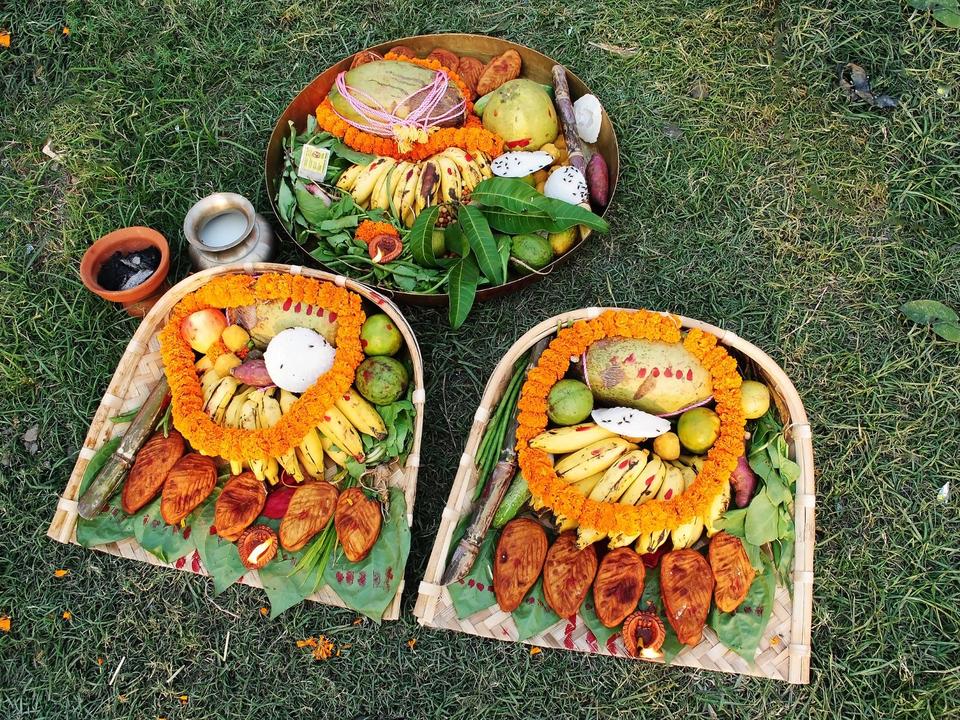
Deity: Surya Dev (Sun God) and Chhathi Maiya (Goddess Usha, the consort of Surya) Tithi: Begins on Kartika Shukla Chaturthi and ends on Kartika Shukla Saptami (October–November) Duration: 4 days of rigorous rituals and fasting observed mainly in Bihar, Uttar Pradesh, Jharkhand, and Nepal (Mithila region) Story / Legend: Chhath Puja finds mention in the Mahabharata, where Kunti and Draupadi are said to have performed Surya worship for strength and well-being. Another legend speaks of Lord Ram and Sita, who observed this fast after returning to Ayodhya as a gesture of gratitude to the Sun. The festival primarily honors Chhathi Maiya, who is believed to bless children with health, happiness, and longevity. Spiritual Significance: Chhath Puja is a deeply spiritual observance symbolizing purification, gratitude, and the soul’s direct connection with nature. Surya Dev is worshipped as the visible God and life-giver, and devotees believe that offering prayers during sunrise and sunset helps in removal of negativity, healing, and wish fulfillment. The rituals emphasize discipline, simplicity, and ecological balance. Rituals (One-liners): Day 1 – Nahay Khay: Ritual bath and preparation of satvik food (often pumpkin and rice); the vratin eats only once. Day 2 – Kharna: Day-long fast ends after sunset with a simple meal of kheer and roti offered to the deity. Day 3 – Sandhya Arghya: Fasting without water; women in traditional attire offer arghya (water offering) to the setting sun with soop (bamboo tray) filled with fruits and thekua. Day 4 – Usha Arghya: Offering arghya to the rising sun at dawn, followed by breaking the fast (parana); devotional songs and group prayers conclude the vrat.
5
2
![Guru Purnima]()
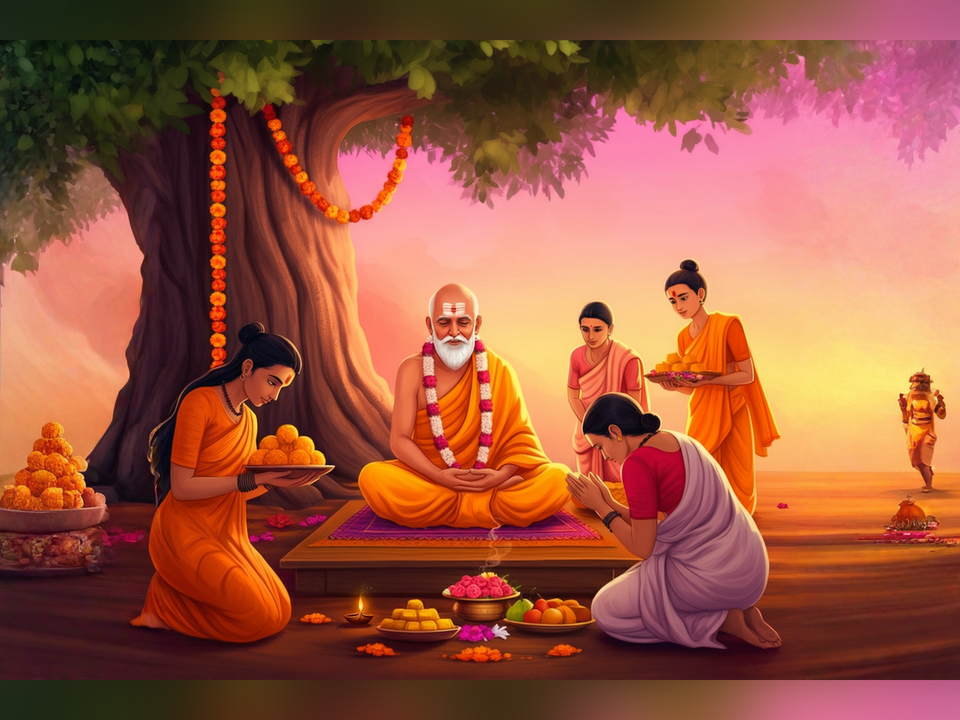
Deity: Spiritual Gurus; also dedicated to Sage Vyasa, an incarnation of Lord Vishnu and author of the Mahabharata Tithi: Purnima (Full Moon) day in the Hindu month of Ashadha (June–July) Duration: 1 day (sunrise to moonrise), observed with spiritual reverence across India and Nepal Story / Legend: Guru Purnima commemorates the birth of Sage Ved Vyasa, the compiler of the Vedas, author of the Mahabharata, and founder of the Guru-Shishya tradition. On this day, disciples offer gratitude to their gurus who guide them from ignorance to enlightenment. In yogic tradition, it is also believed that Lord Shiva, as Adi Guru, first imparted spiritual knowledge to the Saptarishis on this very day. Spiritual Significance: Guru Purnima represents the sacred bond between guru (teacher) and shishya (disciple). A guru is seen as a divine light who removes inner darkness and leads the seeker toward self-realization, dharma, and moksha. Honoring one’s guru on this day purifies the heart, enhances humility, and deepens spiritual commitment. Rituals (One-liners): Early morning bath and spiritual attire; offering flowers, fruits, and dakshina to one’s guru or symbolic image of Sage Vyasa; reciting Guru Stotram, Bhagavad Gita, or Vedantic texts; visiting ashrams or attending satsangs; engaging in silence, meditation, and introspection; students express reverence to teachers in homes, schools, and monasteries.
4
0
![Holi]()
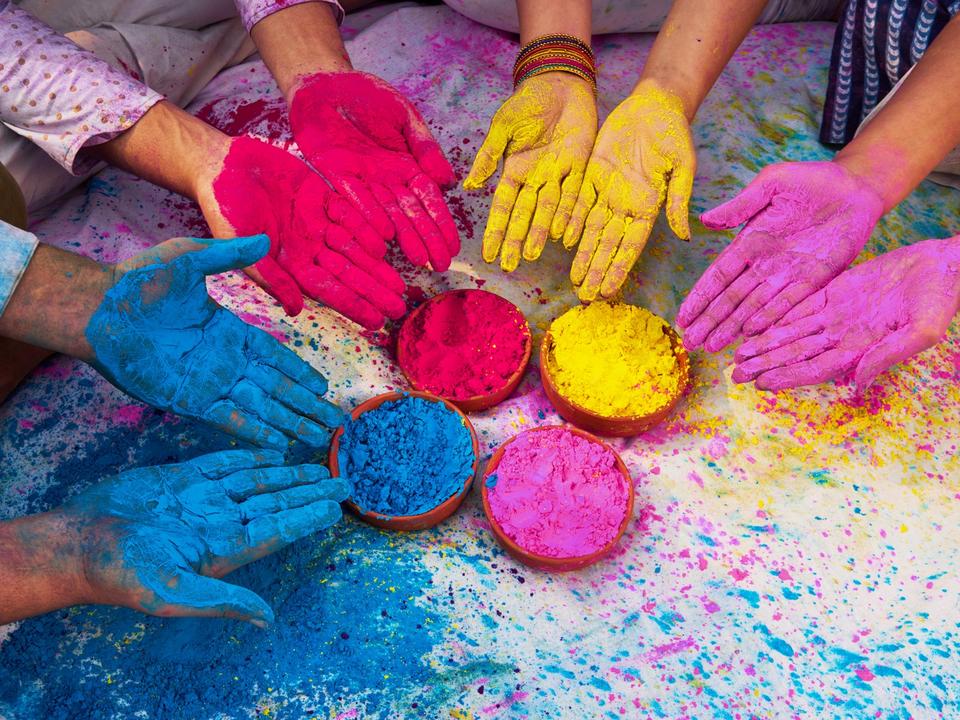
Deities : Lord Krishna, Goddess Radha, Lord Vishnu (as Narasimha), and Prahlad Tithi: Purnima (Full Moon) of Phalguna month (February–March) Duration: 2 days – Holika Dahan (Chhoti Holi) and Rangwali Holi (Dhulandi) Story / Legend: Holi draws from two powerful legends. The first is the tale of Prahlad, a devotee of Lord Vishnu, and his demon father Hiranyakashipu, who tried to kill him for his devotion. His aunt Holika, immune to fire, sat with him in a pyre, but she was burned instead while Prahlad survived unharmed. This is symbolized by Holika Dahan, the burning of evil. The second is the divine play of colors between Lord Krishna and Radha in Vrindavan, expressing pure love, equality, and the joyous spirit of devotion. Spiritual Significance: Holi represents the burning of ego, pride, and negativity, allowing the soul to emerge renewed. The colors symbolize divine love, unity, and the breaking of social barriers. Spiritually, it's a reminder to live with lightness, joy, and childlike innocence while embracing harmony with all beings. Rituals (One-liners) : On Holika Dahan: Lighting of a bonfire symbolizing the victory of good over evil; offering grains, coconuts, and prayers to Agni; singing devotional songs around the fire. On Rangwali Holi: Smearing of natural colors among friends and family; playful water fights; singing Krishna bhajans and folk songs; consuming festive delicacies like gujiya and thandai; visiting temples and elders; community celebrations with dance, music, and joy.
2
1
![Maha Shivratri]()
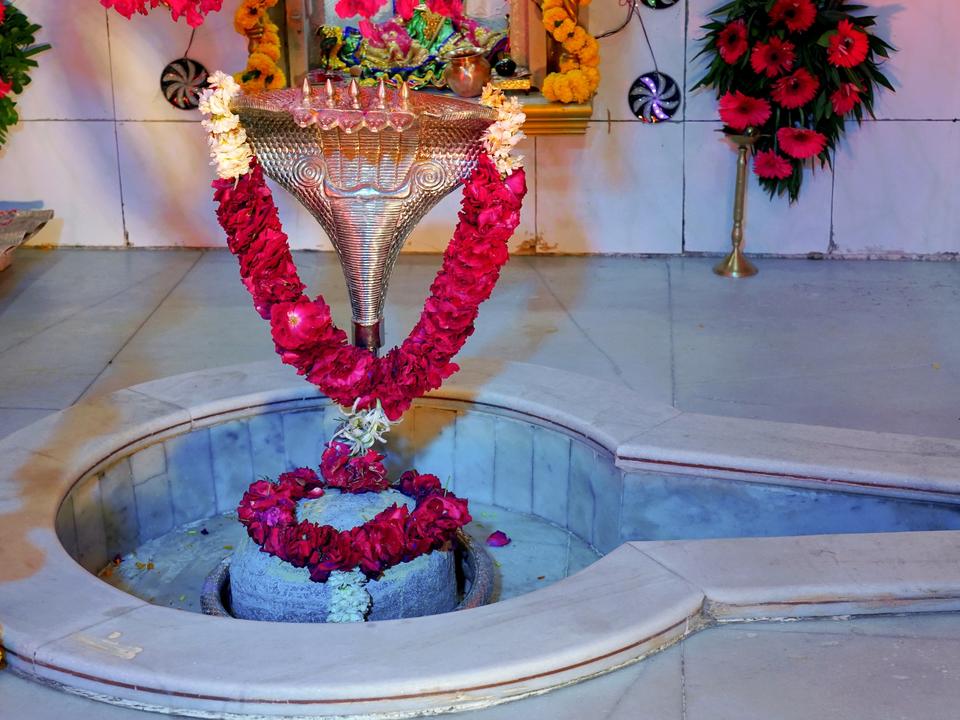
Deity: Lord Shiva Tithi: Krishna Paksha Chaturdashi (14th lunar night) of Phalguna month (February–March) Duration: 1 day and 1 night – includes a daytime fast and night-long vigil divided into four prahars (quarters of the night) Story / Legend: Maha Shivratri marks the divine marriage of Lord Shiva and Goddess Parvati. According to legends, it is also the night when Lord Shiva performed the Tandava , the cosmic dance of creation and destruction. Another tale links it to the Samudra Manthan , where Shiva consumed the deadly poison Halahala to save the universe, holding it in his throat and earning the name Neelkanth . Spiritual Significance: This sacred night symbolizes the conquest of ignorance through devotion and spiritual awakening. It is believed that sincere worship of Shiva on Maha Shivratri washes away sins, grants inner peace, and leads the soul toward liberation (moksha). The planetary alignment on this night is said to enhance spiritual energy and meditative focus. Rituals (One-liners): Strict fast throughout the day; night-long vigil and worship in four prahars; Shiva Linga Abhishekam with milk, curd, honey, ghee, and water; chanting of Om Namah Shivaya and Maha Mrityunjaya Mantra ; offering bael leaves, fruits, and incense; temple or home puja; reading the Shiva Purana ; engaging in meditation and spiritual reflection.
1
0
![Tulsi Vivah]()
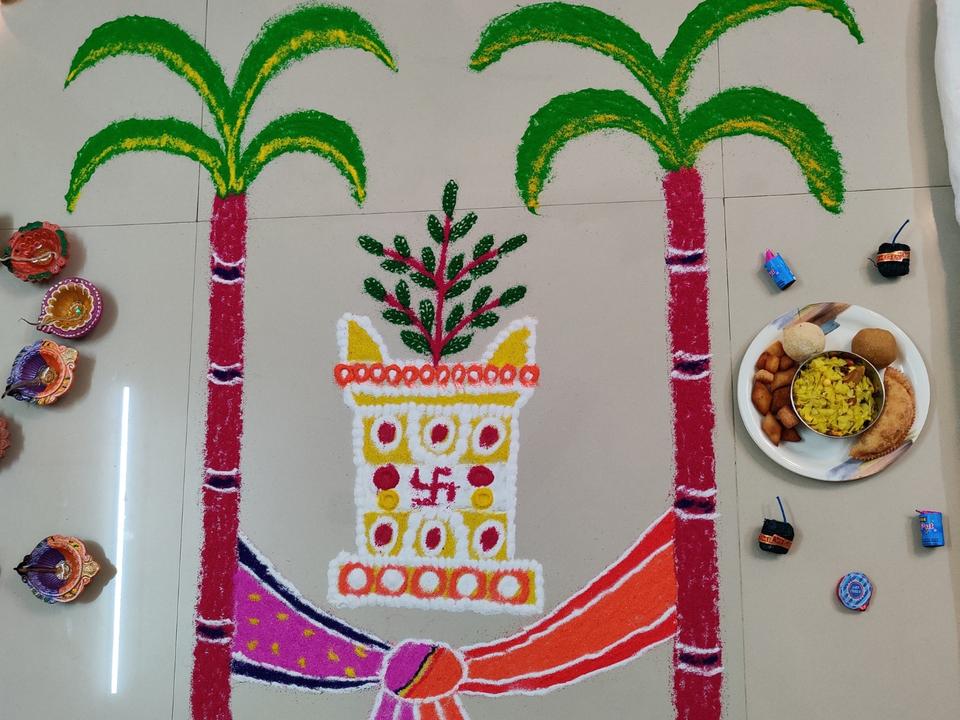
Deity: Goddess Tulsi (incarnation of Vrinda) and Lord Vishnu (in the form of Shaligram) Tithi: Celebrated between Prabodhini Ekadashi and Kartik Purnima, most commonly on Kartik Shukla Dwadashi (October–November) Duration: 1-day ceremony; often conducted during the evening hours with traditional wedding rituals Story / Legend: According to the Padma Purana, Tulsi was born as Vrinda, a pious devotee and wife of the demon king Jalandhar. Her unwavering chastity protected him in battle. To restore cosmic balance, Lord Vishnu took the form of Jalandhar and broke Vrinda’s penance. Upon learning the truth, she cursed Vishnu to turn into black stone (Shaligram) and immolated herself. From her ashes grew the sacred Tulsi plant. Later, to honor her devotion and purity, Vishnu married Tulsi in the form of Shaligram, initiating the divine union now celebrated as Tulsi Vivah. Spiritual Significance: Tulsi Vivah marks the end of the monsoon and the beginning of the Hindu wedding season. It represents the union of divine love and dharma, and symbolizes the importance of devotion, loyalty, and selfless surrender. Performing or witnessing this ceremony is believed to purify the soul, bring prosperity, and ensure harmony in married life. Rituals (One-liners):Tulsi and Shaligram idols are bathed, dressed as bride and groom, and placed in a wedding mandap; Tulsi is adorned with a bridal saree, bindi, and ornaments; traditional marriage rituals including kanyadaan, pheras, and aarti are performed; singing of wedding songs and chanting Vishnu mantras; distribution of prasad and sweets; planting or watering the Tulsi plant as an act of devotion.
1
1
![Vasant Panchami]()
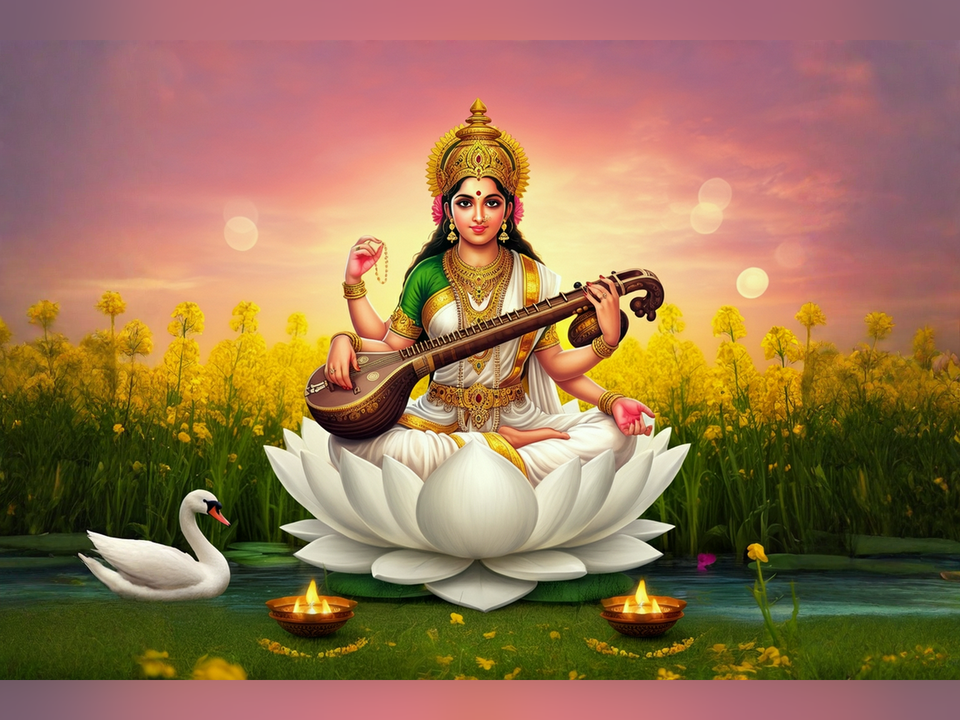
Deity: Goddess Saraswati (Goddess of Knowledge, Wisdom, Music, and Arts) Tithi: Panchami (5th day) of Shukla Paksha in the month of Magha (January–February) Duration: 1-day celebration, beginning with sunrise and rituals throughout the day Story / Legend : Vasant Panchami commemorates the appearance of Goddess Saraswati, who emerged from Lord Brahma’s mouth to dispel the silence and ignorance of the world with knowledge and speech. In another tale, the day marks Kamadeva awakening nature from winter into spring. It also marks the beginning of preparations for Holi, which falls 40 days later. Spiritual Significance: Vasant Panchami is a day of intellectual awakening, creative expression, and spiritual freshness. It inspires devotees to seek true wisdom, clarity of speech, and righteous action. Yellow, the color of learning and energy, dominates the day’s rituals, representing the brilliance of the blossoming spring and divine intellect. Rituals (One-liners): Wearing yellow clothes and decorating homes with yellow flowers; Saraswati Puja with offerings of books, musical instruments, and ink pots; reciting Saraswati Vandana, Saraswati Stotra, and chanting “Om Aim Saraswatyai Namah”; children begin education or writing letters (Vidyarambham); offering khichdi, boondi, and saffron sweets; flying kites in some regions to celebrate the onset of spring.
1
1
![Hariyali Teej]()
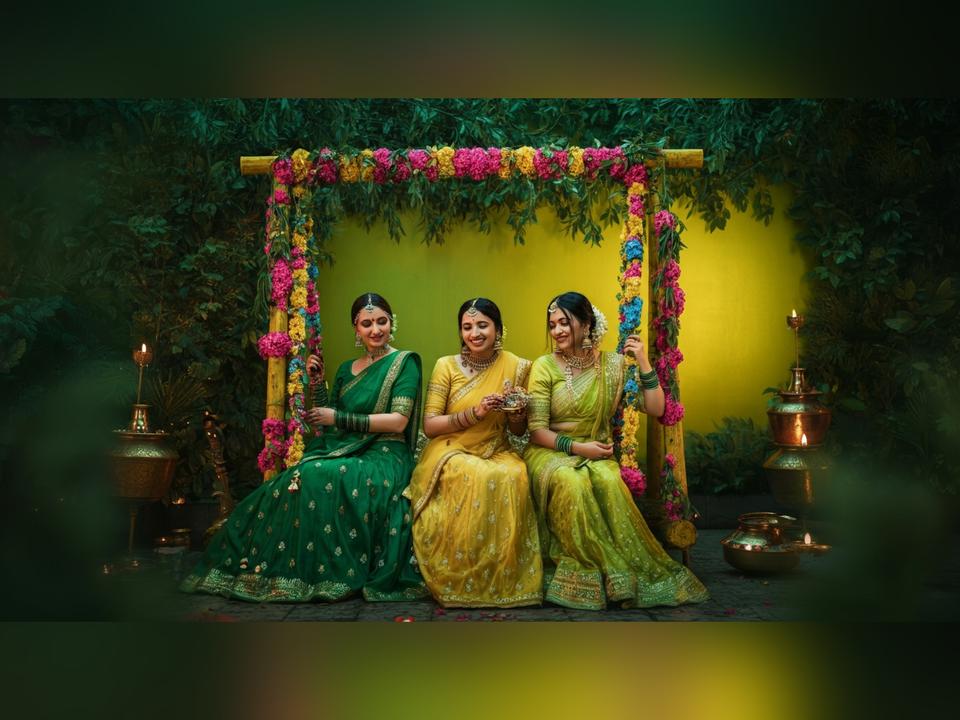
Deity: Goddess Parvati and Lord Shiva Tithi: Tritiya (3rd day) of Shukla Paksha in the month of Shravan (July–August) Duration: 1-day festival, mainly observed in North India—especially in Rajasthan, Uttar Pradesh, Bihar, and Madhya Pradesh Story / Legend :Hariyali Teej commemorates the day Goddess Parvati reunited with Lord Shiva after her deep penance and 108 rebirths. Pleased with her unwavering devotion, Shiva accepted her as his consort on this day. Hence, Hariyali Teej is seen as the divine marriage day of Shiv and Parvati, symbolizing eternal love, faith, and divine union. The festival also celebrates the arrival of monsoon, bringing greenery ( hariyali ) and new life. Spiritual Significance: Hariyali Teej reflects devotion, patience, and purity in marital life. Married women observe it for the long life and well-being of their husbands, while unmarried girls seek blessings for an ideal life partner. The day is also symbolic of inner blossoming and spiritual growth, coinciding with the lushness of nature and harmony with creation. Rituals (One-liners): Women wear green clothes, apply mehendi (henna), and adorn themselves with bangles and jewelry; observe nirjala vrat (fast without water); worship Lord Shiva and Goddess Parvati with flowers, sweets, and swings; sing traditional Teej songs and dance; decorate swings on trees as a part of celebration; narrate Teej katha and perform evening aarti before breaking the fast
1
1
![Nag Panchami]()
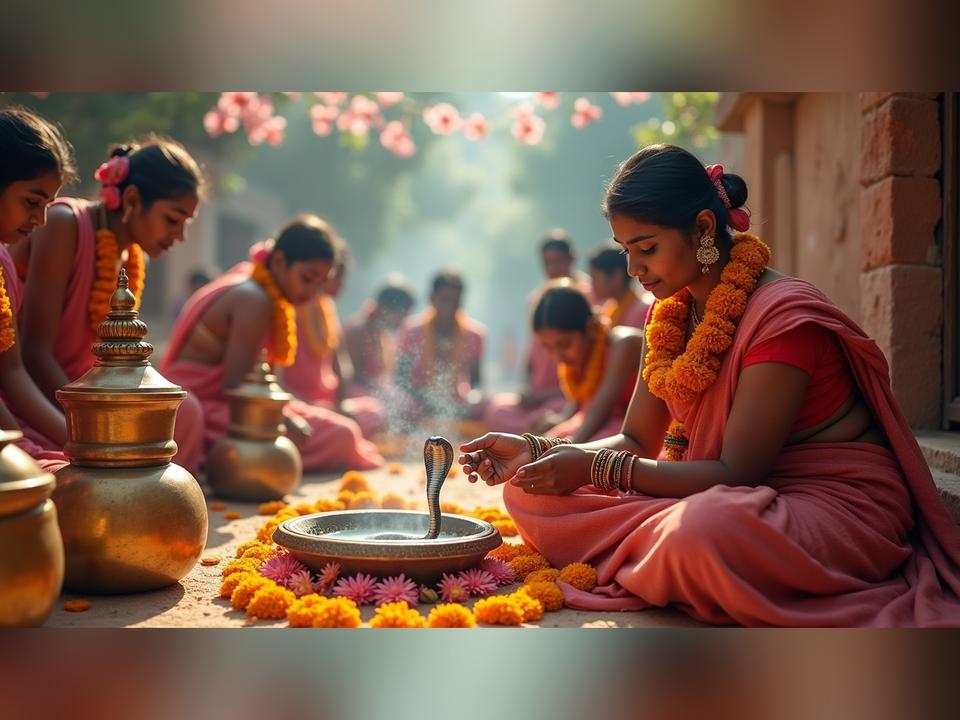
Deity: Nag Devtas (Serpent Gods) — especially Shesha Nag, Vasuki, Takshaka, Karkotaka, and Padma Tithi: Panchami (5th day) of Shukla Paksha in the month of Shravan (July–August) Duration: 1-day observance, primarily celebrated in North and South India with regional variations Story / Legend: Nag Panchami is linked to several legends. One popular tale is from the Mahabharata, where Janamejaya, the son of Parikshit, performed a snake sacrifice (Sarpa Satra) to avenge his father’s death by snakebite. To stop the destruction of the serpent race, Astika Muni intervened on this very day and brought peace. Another belief says that Lord Krishna subdued the serpent Kaliya in the Yamuna River on this day, restoring balance to nature. Spiritual Significance: Nag Panchami symbolizes respect for nature’s mystical forces and the cycle of life and death. Snakes, often misunderstood, are considered protectors of treasure and spiritual knowledge. Worshipping Nag Devtas is believed to remove fears, prevent snakebites, and grant protection, fertility, and prosperity. It also reflects gratitude toward creatures that live beneath the earth. Rituals (One-liners): Drawing or installing images of serpent gods near house entrances or temples; offering milk, turmeric, flowers, and sweets to ant hills or sacred snake idols; chanting Nag mantras and stotras like “Om Sarpa Devaya Namah”; observing fasts and avoiding digging the earth that day; listening to Nag Panchami vrat katha; visiting temples dedicated to Nag Devta such as in Patal Bhubaneshwar or Kukke Subramanya.
1
1
![Navratri (Chaitra Navratri & Sharad Navratri)]()
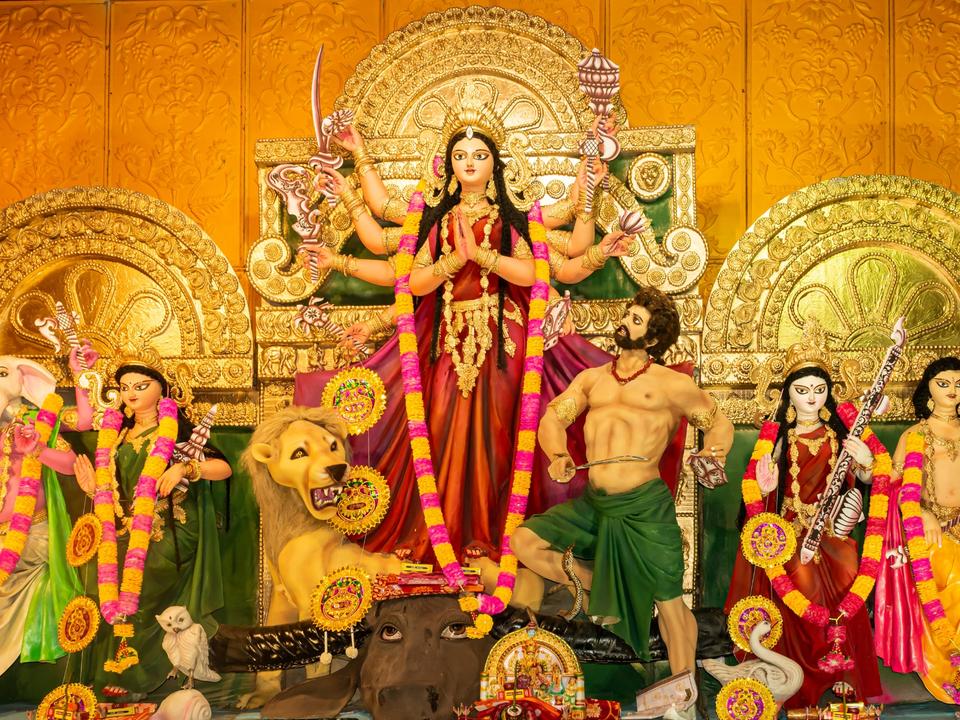
Deity: Goddess Durga (in her nine forms – Navadurga) Tithi:Chaitra Navratri: Begins on the 1st day (Pratipada) of the Hindu month of Chaitra (March–April)Sharad Navratri: Begins on the 1st day (Pratipada) of Ashwin month (September–October) Each lasts for 9 nights and 10 days, ending with Ram Navami (Chaitra) or Vijay Dashami/Dussehra (Sharad) Duration: 9 nights and 10 days (continuous worship, fasting, and celebrations) Story / Legend: Navratri celebrates the victory of Goddess Durga over the demon Mahishasura, symbolizing the triumph of righteousness over evil. Each night honors one of her nine forms, from Shailputri to Siddhidatri, representing different divine qualities. Chaitra Navratri is linked to the birth of Lord Ram and is observed for spiritual beginnings and purification. Sharad Navratri is the most widely celebrated and ends with Dussehra, marking Lord Ram’s victory over Ravan. Spiritual Significance: Navratri is a time for inner cleansing, feminine divine worship, and self-discipline. Fasting and prayer during these days strengthen devotion, remove negative energy, and align one’s soul with higher spiritual consciousness. Each day focuses on cultivating a different virtue like courage, compassion, or wisdom. Rituals (One-liners): Daily worship of Navadurga forms; fasting (phalahar or nirjal); chanting of Durga Saptashati; offering red flowers, fruits, and coconut; lighting diya and incense; Kanya Puja on Ashtami/Navami; cultural events like Garba and Dandiya during Sharad Navratri; reading of Ramayana (Chaitra); breaking fast on Dashami or Ram Navami.
0
0
Deity: Lord Ram (Seventh avatar of Lord Vishnu) Tithi: Navami (9th day) of Shukla Paksha in the month of Chaitra (March–April) Duration: 1 day (Sunrise to midnight); observed as the concluding day of Chaitra Navratri Story / Legend: Ram Navami marks the divine birth of Lord Ram, the righteous prince of Ayodhya, born to King Dasharatha and Queen Kaushalya after a long penance and a divine blessing. Lord Ram incarnated to destroy evil and restore dharma. His life story, chronicled in the Ramayana, stands as a timeless symbol of duty, honor, sacrifice, and moral excellence. Ram Navami is especially significant in Ayodhya, his birthplace, where grand celebrations are held. Spiritual Significance: Ram Navami represents the arrival of divine truth and virtue in the world. Observing this day fosters righteousness (dharma), humility, and faith in divine justice. Devotees believe that praying to Lord Ram on this day purifies the heart, brings protection, and grants inner strength to overcome life’s adversities. Rituals (One-liners): Fasting throughout the day; early morning bath and home temple cleaning; Ram puja with tulsi, diya, flowers, and sweets; reading from Ramayana or Ramcharitmanas; chanting “Shri Ram Jai Ram Jai Jai Ram”; temples conduct Rama Janma celebrations at noon (birth hour); bhajans and kirtans; distribution of panakam (jaggery water), prasad, and charitable offerings.
0
0